CUSTOMER 101
A customer is an individual or organization that purchases a product or service to satisfy a specific need or desire. Customers are the foundation of every business, as they generate revenue and determine the success of a brand.
How It Works
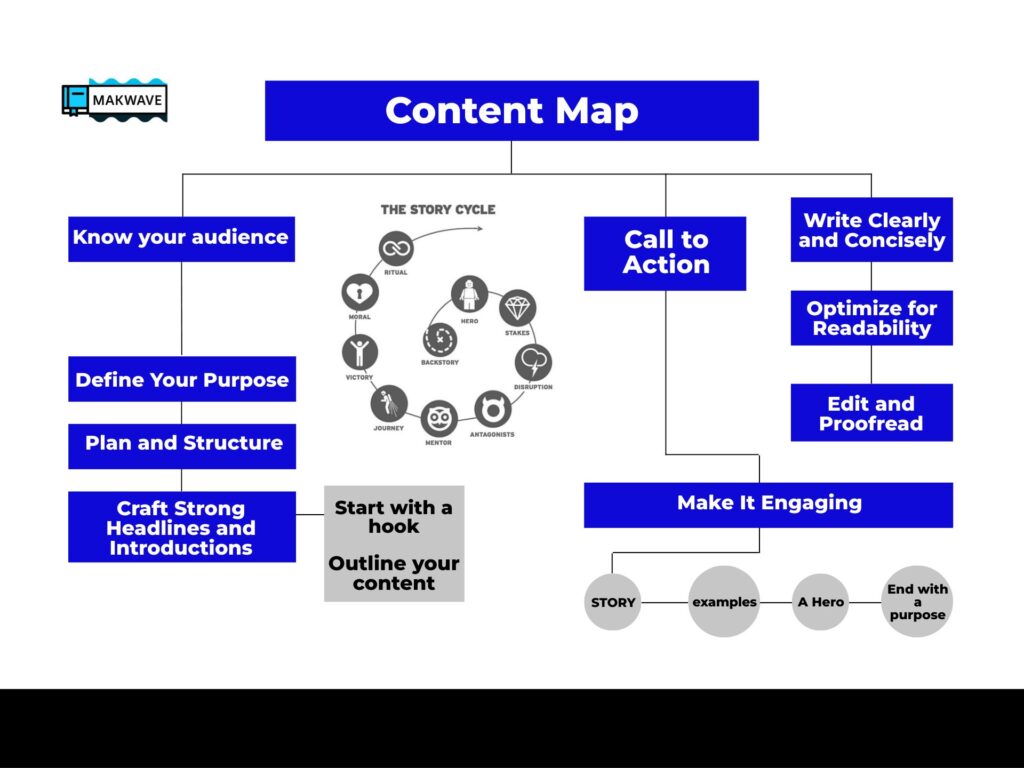
The customer journey in marketing usually follows these stages:

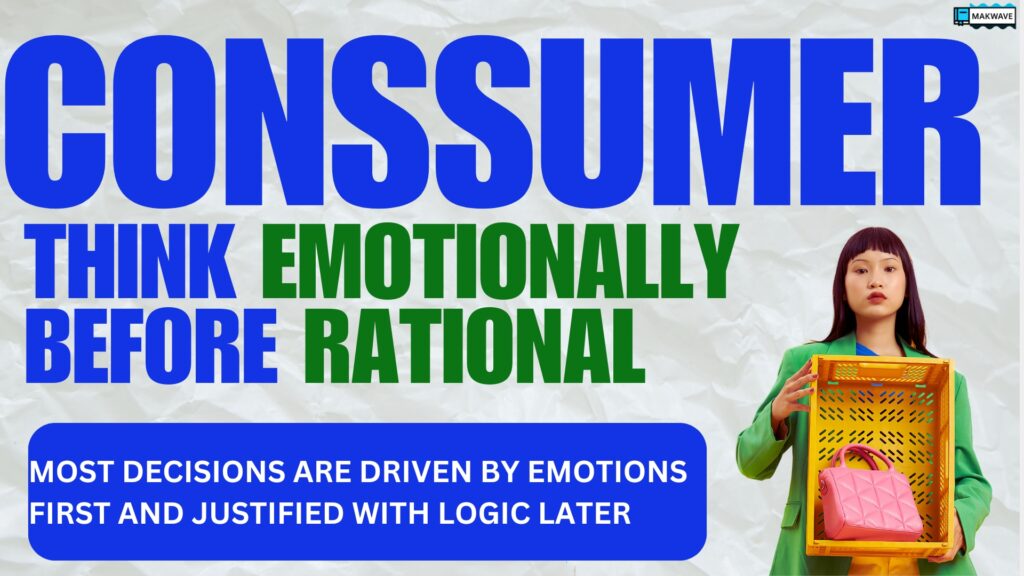
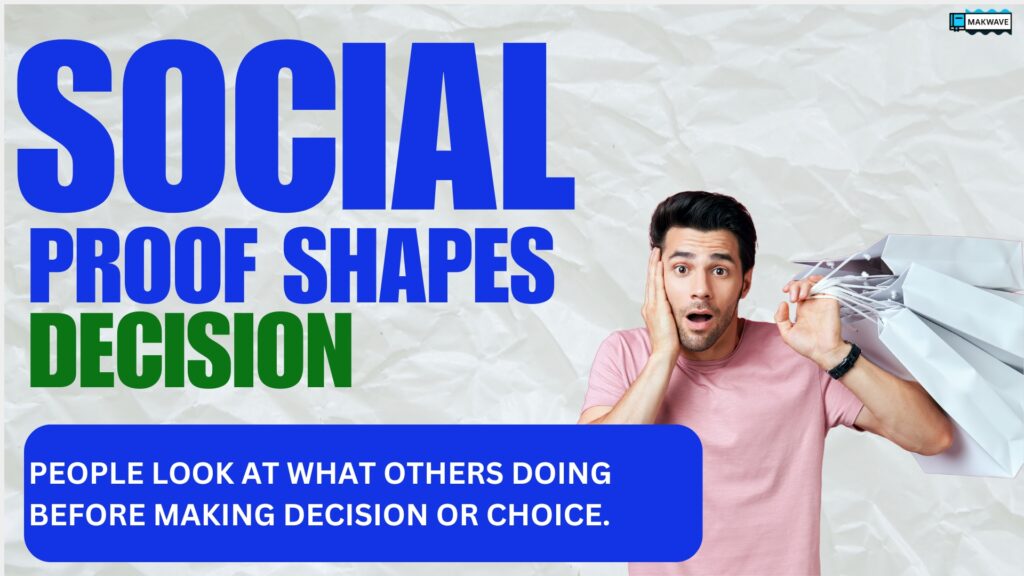
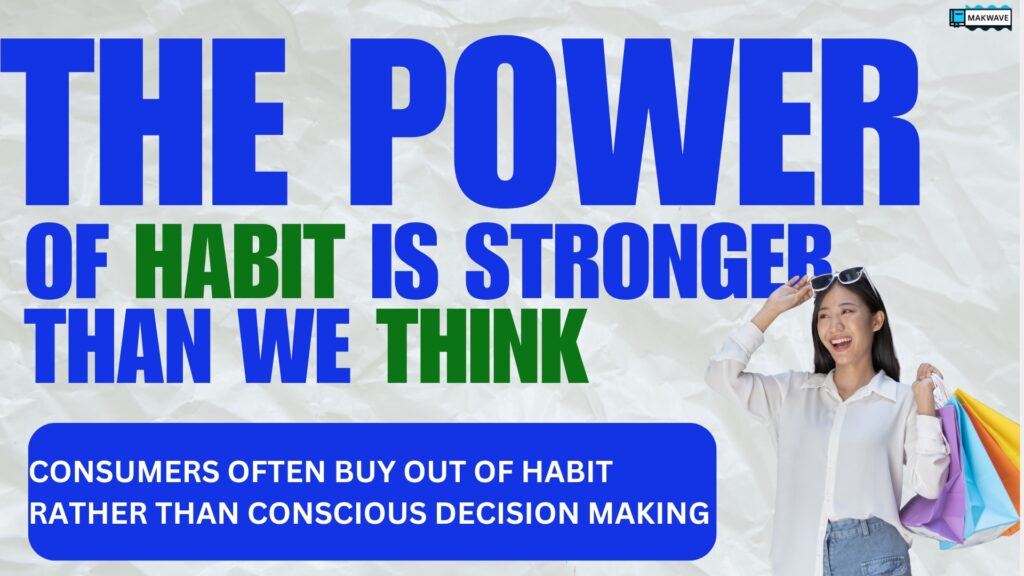
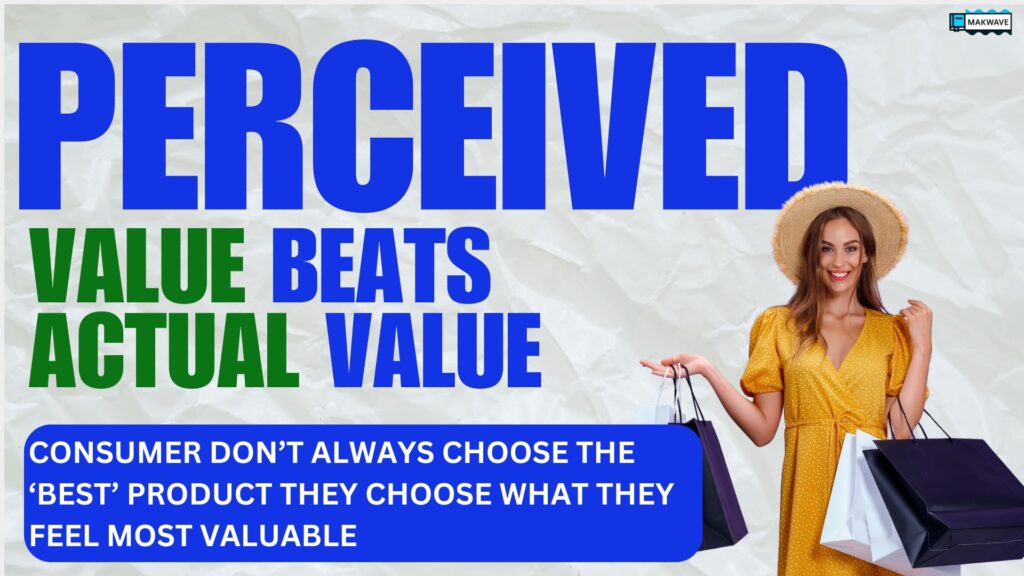
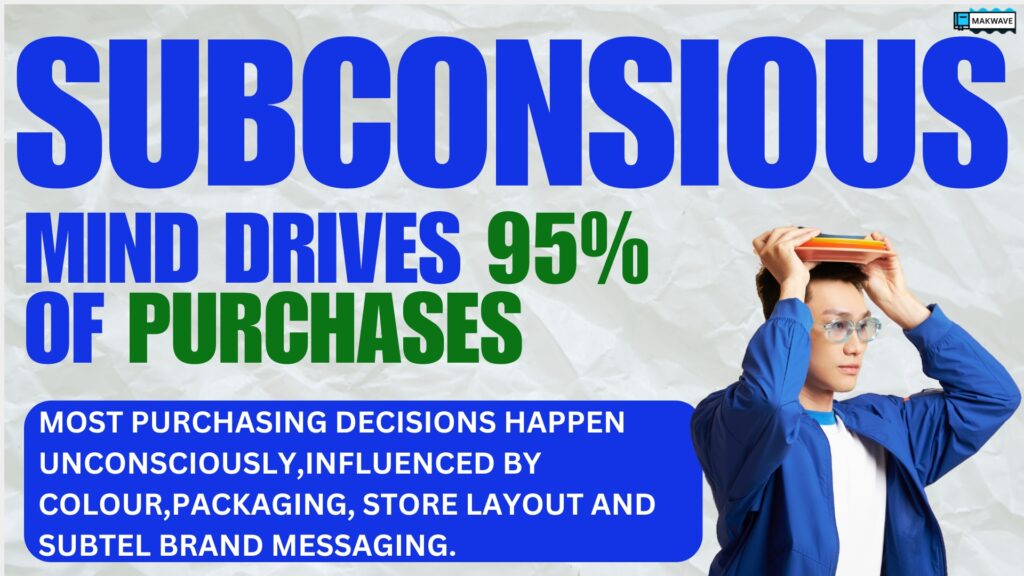
In short, marketing works by identifying customer needs and delivering value that meets or exceeds their expectations.
NEGOTATION 101
Negotiation is the process of discussing and reaching a mutually beneficial agreement between two or more parties. It involves understanding each side’s needs, finding common ground, and creating solutions that satisfy everyone involved.
How Negotiation Works
Negotiation typically follows these steps:

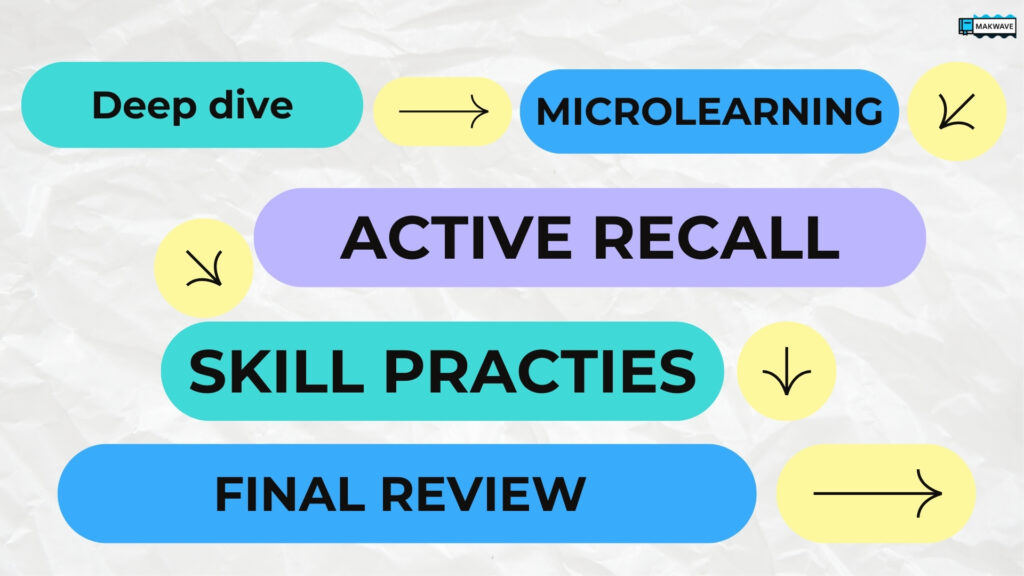
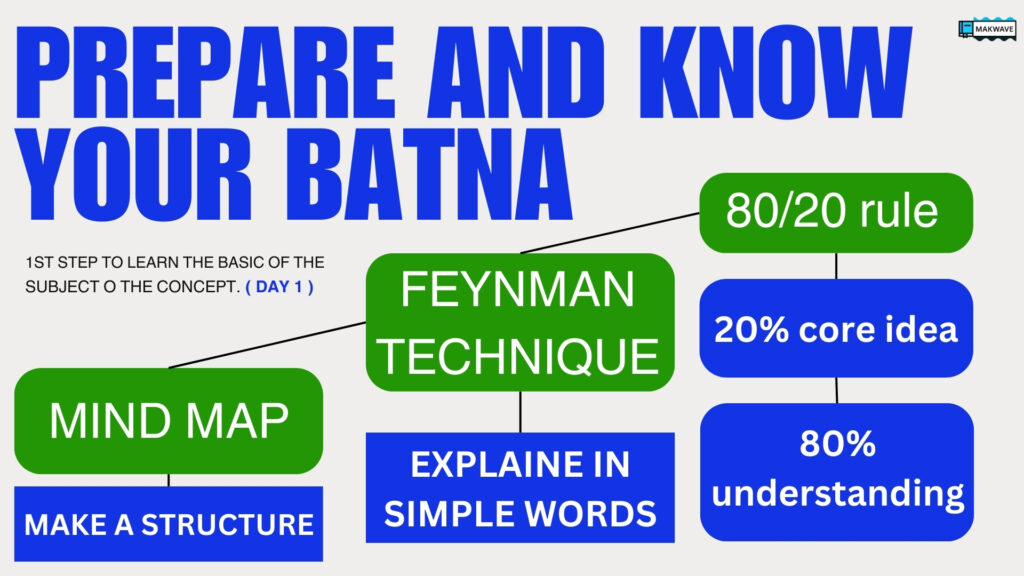
In marketing, strong negotiation skills can help turn opportunities into successful partnerships and drive better business results.
DECOY EFFECT
What Is the Decoy Effect?
The Decoy Effect is a psychological pricing strategy where consumers are presented with three options instead of two. The third option (the “decoy”) is intentionally designed to make one of the other options look significantly more attractive.
In simple terms, the decoy is not meant to be chosen. Its purpose is to influence people to select the option the seller wants to promote.
How the Decoy Effect Works
| Option | Price |
|---|---|
| Small Coffee | ৳150 |
| Medium Coffee | ৳280 |
| Large Coffee | ৳300 |
Most customers will choose the large coffee because it costs only ৳20 more than the medium but provides much more value.
Here, the Medium Coffee acts as the decoy.
Why It Works
People rarely evaluate options in isolation. Instead, they compare choices relative to one another. When one option appears clearly inferior to another, the superior option becomes much more appealing.
Framing Effect
What Is the Framing Effect?
The Framing Effect is a cognitive bias where people make different decisions depending on how the same information is presented, even when the facts are identical.
How the Framing Effect Works
People do not evaluate information purely rationally. Instead, emotions and perceptions shape decisions.
Positive Frame
Highlights gains, benefits, and opportunities.
- “95% of customers are satisfied.”
- “Save ৳5,000 today.”
- “Earn a free month.”
Negative Frame
Highlights losses, risks, and consequences.
- “Only 5% of customers are dissatisfied.”
- “Don’t miss out on ৳5,000 in savings.”
- “Avoid paying extra next month.”
The underlying facts are the same, but the wording changes behavior.
How Companies Use the Framing Effect
E-commerce
- “Free shipping on orders over ৳1,000.”
- “Spend ৳200 more to unlock free shipping.”
Subscription Services
Companies like Netflix and Spotify frame plans around convenience and value.
The Framing Effect shows that presentation matters as much as content. By choosing the right words, you can influence how people perceive value and make decisions.
Whether you are selling real estate, building a brand, negotiating a sponsorship, or motivating yourself, the right frame can dramatically improve results.
What Is the Anchoring Effect?
The Anchoring Effect is a psychological bias where people depend too much on the first information or number they see when making decisions.
That first piece of information becomes the “anchor”, and everything afterward is judged relative to it.
How Does It Work?
Our brain naturally uses shortcuts to make decisions quickly.
When we see an initial number, price, or idea, our mind treats it as a reference point. Even if the anchor is unrealistic, it still influences our judgment.
Example of the Anchoring Effect
Imagine you want to buy a laptop.
You enter a store, and the salesperson first shows you a premium laptop worth ৳2,50,000. The salesperson talks about:
- Ultra-fast performance
- High-end graphics
- Professional editing features
- Luxury design
After seeing that, the salesperson shows another laptop for ৳85,000. Suddenly, ৳85,000 feels reasonable and even “cheap” compared to the first laptop. But here’s the interesting part: If the first laptop you saw was only ৳50,000, then the ৳85,000 laptop would probably feel expensive.
👉 The actual price didn’t change.
👉 Your perception changed because of the first number you saw.
That first number ৳250,000 became the anchor.
What Is the Loss Aversion Effect?
The Loss Aversion Effect is a psychological principle where people feel the pain of losing something more strongly than the pleasure of gaining something of equal value.
How Does It Work?
Human brains are naturally designed to avoid risk and protect resources.
Because of this:
- We act faster to avoid losses
- We become emotional about losing opportunities
- We fear missing out
This concept is a major part of behavioral economics and was developed by Daniel Kahneman and Amos Tversky.
Example
Imagine two offers from a gym:
Offer 1: “Get a free 1-month membership.”
Offer 2: “If you don’t join today, you’ll lose your free 1-month membership.”
Most people react more strongly to Offer 2. Why?
Because the second message creates a feeling of loss, people are more motivated to avoid losing something than to gain something new.
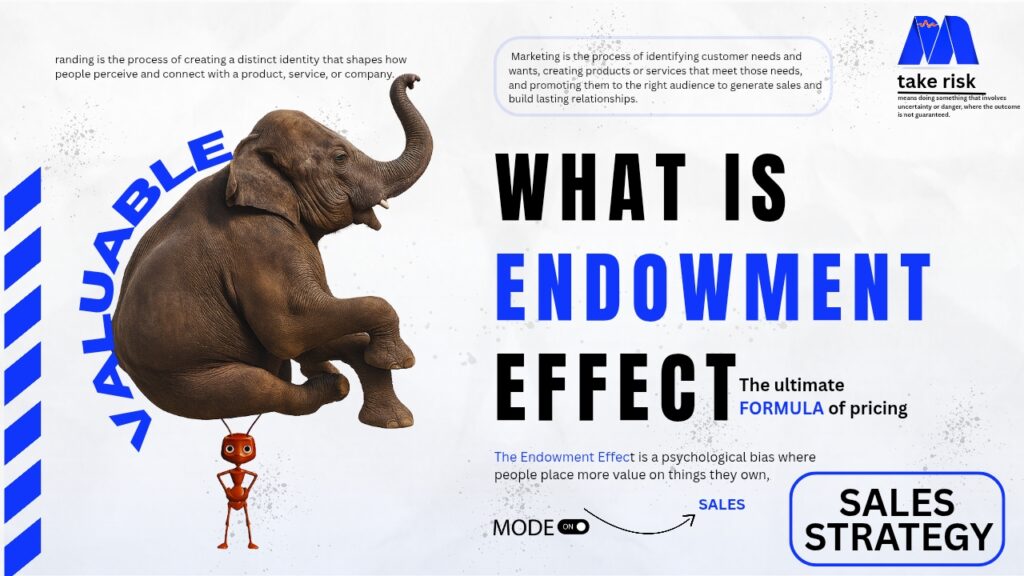
What is the Endowment Effect?
The Endowment Effect is a psychological bias where people value something more highly just because they own it.
How Does It Work?
When we own something, our brain creates a sense of:
- attachment
- identify “this is mine.”
- loss fear: “I don’t want to lose it.”
So we demand a higher price to give it up than we would pay to get it. This is strongly connected to loss aversion.
How Companies Use the Endowment Effect
Free Trials (Very Powerful)
Companies like:
let you use premium features for free.
After 7–30 days:
- You feel ownership of playlists, watch history, and preferences.
- So when the trial ends, you feel:“I don’t want to lose this.”
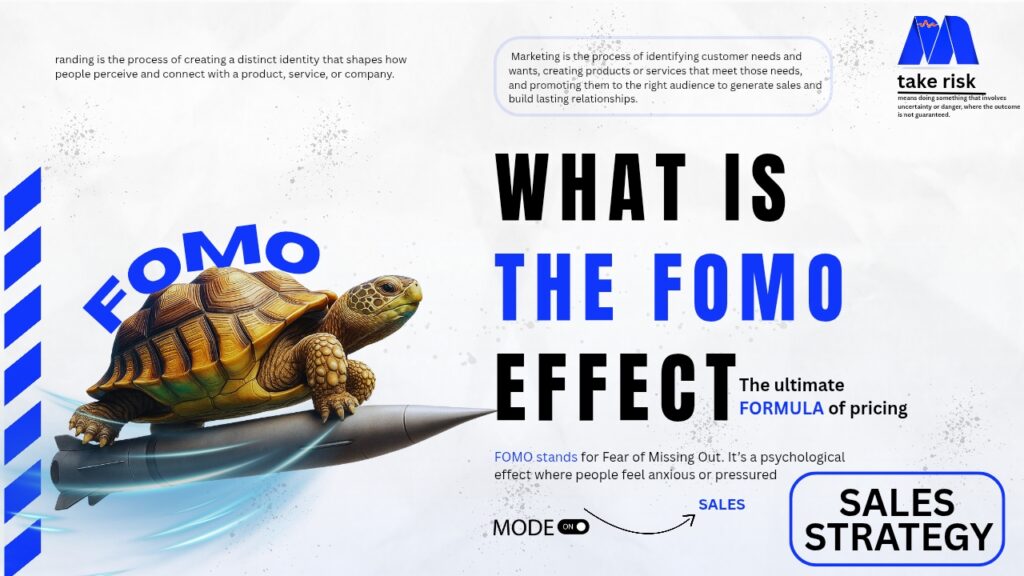
What is FOMO (Fear of Missing Out) Effect?
FOMO (Fear of Missing Out) is a psychological effect where people feel anxious or pressured because they think others are experiencing something better, and they might miss an opportunity.
How Does FOMO Work?
FOMO happens because of three main human instincts:
1. Scarcity
When something is limited, it feels more valuable.
- “Only 2 seats left”
- “Last chance offer”
2. Social comparison
We compare ourselves with others.
- “Everyone is joining this course”
- “My friends are going, I should go too”
3. Urgency
Time pressure forces quick decisions.
- “Offer ends tonight”
- “24-hour deal”
This combination creates emotional pressure, which leads to faster action.
Example
A restaurant launches a special burger:
- “Limited edition – only available this week”
- People start posting it on Instagram
- You see it everywhere
Now you feel:
- “I need to try it before it’s gone.”
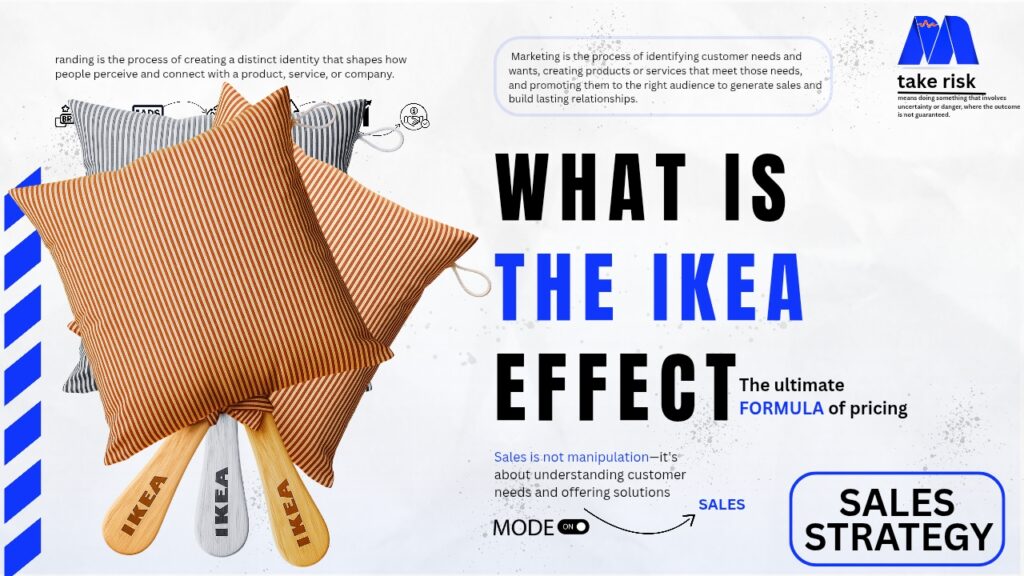
What is the IKEA Effect?
The IKEA Effect is a psychological bias where people value things more when they help create or build them themselves, even if the result is not perfect. If you put effort into something, you start loving it more than something ready-made.
How Does It Work?
The IKEA Effect works because of three main reasons:
1. Effort = Value
Our brain connects effort with importance.
- “I worked for this → it must be valuable.”
2. Ownership Feeling
When you build something, you feel:
- “This is mine because I created it.”
3. Emotional Attachment
We become emotionally connected to things we invest time and energy in.
This concept is supported in behavioral research by Dan Ariely.
Example
Imagine two chairs:
Chair A:
You buy it fully assembled.
Chair B:
You assemble it yourself using instructions.
Even if both chairs are identical:
- You will likely value Chair B more
- You may feel it is stronger or more “special”
👉 Because you built it yourself. That is the IKEA Effect.
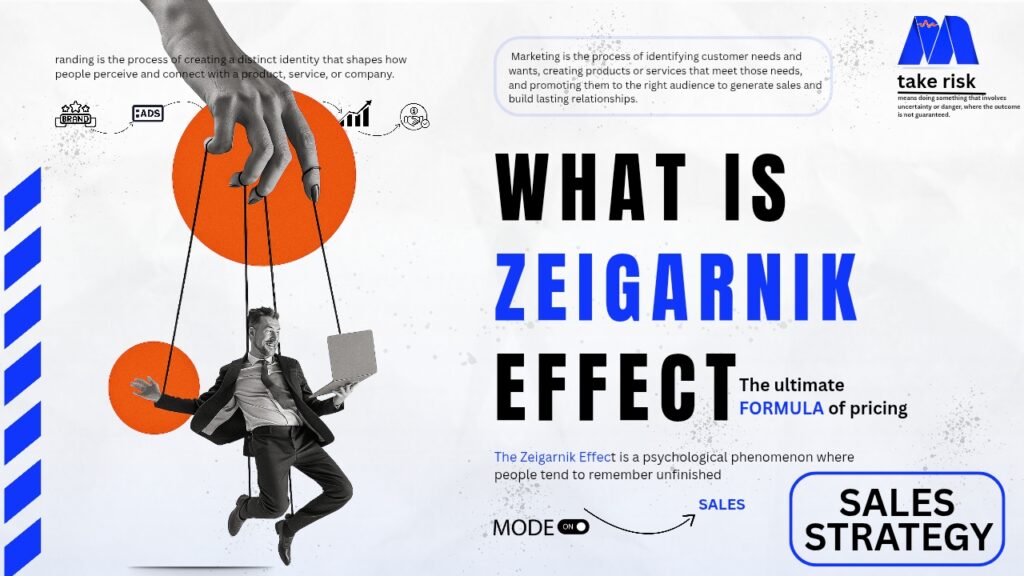
What is the Zeigarnik Effect?
The Zeigarnik Effect is a psychological phenomenon where people tend to remember unfinished or interrupted tasks better than completed ones. Your brain keeps “unfinished work” active in your mind until it is completed.
How Does It Work?
When you start a task, your brain creates a kind of mental tension. If the task is not finished, your mind keeps reminding you about it. But once you complete it, the tension is released—and you tend to forget it faster. This concept was discovered by psychologist Bluma Zeigarnik.
Example
Imagine you are watching a TV series:
- Episode ends with a cliffhanger
- You don’t know what happens next
You feel: “I NEED to watch the next episode.” But when the episode is complete and satisfying, you don’t feel that same pressure. That “unfinished feeling” is the Zeigarnik Effect.
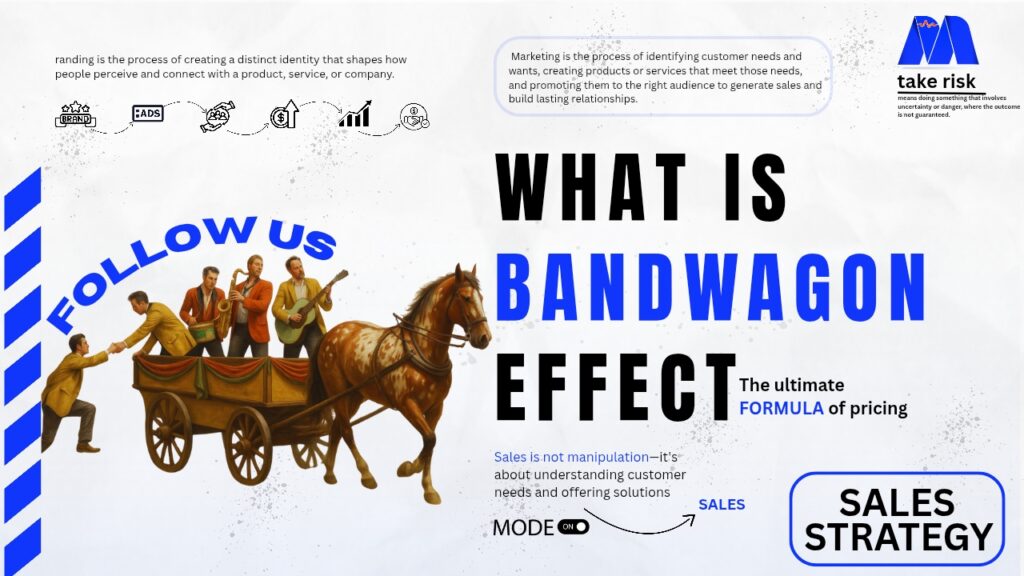
What is the Bandwagon Effect?
The Bandwagon Effect is a psychological phenomenon where people do something mainly because many other people are doing it.
How Does It Work?
The Bandwagon Effect works through:
1. Social Proof
We assume popular things are trustworthy or valuable.
2. Fear of Being Left Out
People don’t want to feel excluded from trends or groups.
3. Mental Shortcuts
Instead of deeply analyzing, the brain thinks: “So many people can’t be wrong.”
Example
Imagine two restaurants:
Restaurant A
- Empty
- No customers
Restaurant B
- Full of people
- Long waiting line
Most people will choose Restaurant B, even without knowing the food quality. Why? Because the crowd acts as proof that the restaurant is good. That is the Bandwagon Effect.